Compare Local Contractors for Exterior Commercial Painting Projects
Compare local contractors to define project scope, verify experience, and set clear expectations for your exterior commercial painting needs.
Exterior commercial painting projects typically encompass a range of work aimed at enhancing the appearance and durability of a building’s exterior surfaces. This can include painting or staining walls, trim, doors, and other architectural features, as well as preparing surfaces through cleaning, sanding, or priming to ensure proper adhesion. In addition to aesthetic improvements, exterior painting often involves addressing issues like peeling paint, surface imperfections, or weather-related wear, which can help extend the lifespan of the building’s exterior. Understanding the scope of work involved is essential for property owners to communicate their needs clearly and to ensure that contractors are equipped to handle all aspects of the project effectively.
Defining the scope of an exterior commercial painting project is a critical step in selecting the right service provider. A well-detailed scope outlines specific tasks, surface areas, preparation methods, and any additional work such as repairs or surface treatments. Clear documentation helps prevent misunderstandings and sets realistic expectations for what the project will include. Property owners should work with contractors to identify all surfaces to be painted, materials to be used, and any particular requirements or standards that need to be met. Having this information in writing provides a reference point throughout the project and can help ensure the work is completed to the desired specifications.
When comparing local contractors for exterior commercial painting, property owners should evaluate their experience with similar projects, reputation within the community, and the clarity of their proposals. It’s useful to review the details included in written estimates or proposals, such as scope of work, materials, and any warranties or guarantees offered. Asking for references or examples of completed projects can provide insight into a contractor’s quality of work and reliability. Additionally, verifying that contractors understand the specific needs of commercial properties and can handle the scope of work involved helps ensure a smooth process. Taking the time to compare these factors can lead to a more informed decision when selecting a service provider for exterior painting needs.
Compare local contractors by outlining project priorities, verifying experience, and clearly defining scope and expectations in writing.
- Verify Experience and Credentials - Ensure contractors have a proven track record in exterior commercial painting projects.
- Define Project Scope Clearly - Outline specific work requirements and expectations in written agreements.
- Compare Multiple Service Providers - Review qualifications, references, and past work to evaluate options.
- Check for Proper Insurance and Licensing - Confirm contractors carry appropriate coverage to protect the project and stakeholders.

Clearly describe your exterior commercial painting project to effectively compare local contractors, define scope, and verify experience.
- Surface Inspection - assess the exterior surfaces for damage, peeling paint, or areas needing repair before painting begins.
- Material Compatibility - ensure the service providers understand the appropriate paint types and primers for different exterior surfaces.
- Preparation Process - verify that contractors plan to properly clean, sand, and prime surfaces to ensure long-lasting results.
- Scope of Work - clearly define which areas will be painted and what prep work or repairs are included in the project.
- Warranty and Guarantees - inquire about written warranties or guarantees on workmanship and materials used.
- Communication and Documentation - confirm that all project details, expectations, and scope are documented in a detailed written agreement.
Use this to compare local contractors, refine your scope, verify experience, and set clear expectations.


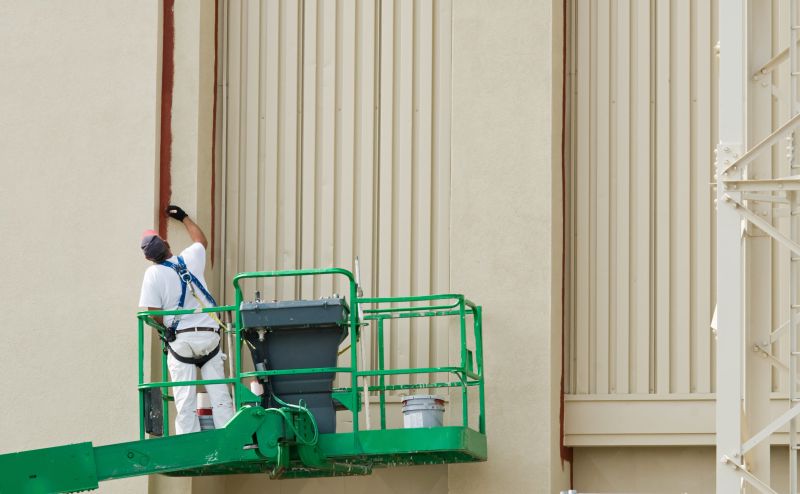

This scope builder helps compare exterior commercial painting contractors, ensuring consistent criteria for defining work and verifying experience.
- Scope Definition - Clearly outline the specific areas and surfaces to be painted on the exterior of the commercial property.
- Material Selection - Specify the types and qualities of paints, primers, and finishes to be used for durability and appearance.
- Preparation Requirements - Identify necessary surface preparation tasks such as cleaning, scraping, sanding, or repairs prior to painting.
- Work Standards - Establish expectations for surface preparation, application techniques, and finish quality to ensure consistency.
- Documentation and Expectations - Ensure all scope details, materials, and standards are documented in writing for clear understanding and accountability.
When evaluating contractors for exterior commercial painting, it is important to consider their experience with similar projects. A contractor who has worked on buildings of comparable size, style, and material can better anticipate potential challenges and deliver results that meet expectations. Reviewing a contractor’s portfolio or asking for references related to past work can provide insight into their familiarity with the specific requirements of commercial exteriors, ensuring that they have the practical knowledge necessary for your project.
A clear, written scope of work is essential to establishing mutual understanding and setting expectations. This document should outline the specific tasks to be performed, the surfaces to be painted, the types of finishes, and any preparatory or protective measures involved. Having a detailed scope helps prevent misunderstandings and provides a basis for evaluating whether a contractor’s approach aligns with your project needs. It also serves as a reference point throughout the project, making it easier to address any questions or concerns that may arise.
Verification basics are key when comparing service providers. Confirm that contractors can provide proof of insurance, proper licensing (if applicable), and a history of completed projects similar to yours. Checking references and reviewing past work can also help verify a contractor’s reliability and quality of craftsmanship. Gathering this information early in the selection process can help identify reputable service providers who are equipped to handle the scope of your exterior painting project with professionalism and competence.
When assessing options, focus on how well each contractor’s experience, scope of work, and verification details align with your project requirements. It is beneficial to ask detailed questions about their previous projects, methods, and materials used, ensuring their approach meets your expectations. Comparing how contractors communicate their process and scope in writing can also reveal their level of professionalism and attention to detail. This thorough evaluation helps in selecting a contractor who can deliver quality results while clearly understanding and respecting the specifics of your commercial exterior painting needs.
Ask contractors to provide written scope details to ensure clear, consistent expectations for the exterior painting project.
- Experience and Portfolio - What specific exterior commercial painting projects has the contractor completed recently?
- Scope of Work - How clearly does the contractor define the work included and excluded in their proposal?
- Materials and Techniques - What types of paints and application methods do the contractors recommend for durability?
- Project Expectations - How does the contractor outline the quality standards and finish expectations in writing?
- Contractor Qualifications - What experience or background do the local contractors have in handling commercial exterior painting projects?
What should be included in a scope of work for exterior commercial painting? A detailed scope of work should specify the surfaces to be painted, the type of paint or coating, preparation steps, and any additional services like surface repairs or finishing touches to ensure clear expectations.
How can I verify the experience of a commercial painting contractor? Review their portfolio of past projects, ask for references, and confirm their familiarity with similar types of commercial properties to assess their experience level.
What questions are important to ask before hiring a contractor for exterior commercial painting? Inquire about their process, materials used, warranty policies, and how they handle project scope changes to ensure alignment with project goals.
Why is it important to have a written agreement with a contractor? A written agreement clearly defines the project scope, responsibilities, and expectations, reducing misunderstandings and providing a reference throughout the project.
How can I compare different contractors for exterior commercial painting? Evaluate their experience, references, scope of work, and professionalism to determine which service providers meet the specific needs of the project.
What should I consider when defining the scope of an exterior commercial painting project? Consider the surfaces involved, surface conditions, desired finishes, and any preparatory or repair work needed to establish a comprehensive scope.
By understanding how to compare contractors, define the scope of work, verify experience, and document expectations clearly, visitors can approach exterior commercial painting projects with greater confidence. Exploring multiple service providers allows for a better sense of options and helps ensure that the chosen contractor aligns with the specific needs of the project. Utilizing the quote form provides a straightforward way to connect with local service providers who can handle the job effectively.
Taking the time to gather information and compare local contractors can lead to a more informed decision-making process. Using the quote form to reach out to service providers in the area makes it easier to evaluate options and find the right fit for exterior commercial painting needs. This approach helps keep the focus on selecting experienced, capable professionals who can meet project requirements.